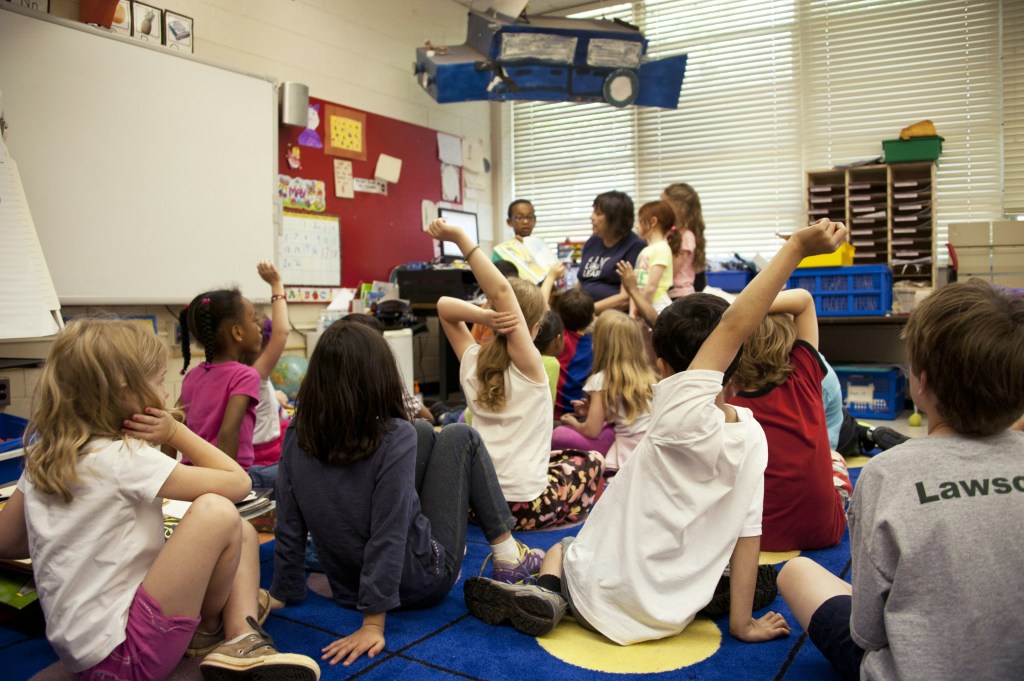
A few weeks ago, I shared a personal reflection about embracing the talker in me, the one who takes the scenic route, layers stories, and weaves feeling into words. That reflection sparked a new question for me this week: What does it mean to embrace the talkers in our classrooms?
As we near the end of the school year, there’s a collective shift toward wrapping things up: final assessments, report cards, closure routines. But in that urgency, it’s easy for student talk to fall to the side. We tighten schedules, reduce discussion time, and default to coverage over connection.
But here’s the thing: for multilingual learners, talk isn’t a luxury, it’s the foundation. Oracy is how students develop language, process content, and begin to find their academic voice. It’s how they build confidence and community. And it’s how they access literacy. Yes, even when the school year is almost over.
In my research, bilingual program leaders consistently emphasized the importance of oracy, not just as a classroom strategy, but as a leadership priority. They described classrooms where talk wasn’t seen as off-task, but as vital learning that matters day after day. The most powerful learning spaces they named weren’t the quietest. They were the ones full of student voice, peer exchange, and meaningful dialogue and interactions.
So as this year winds down, here’s an invitation: What might it look like to finish the year with more talk, not less? What if we made space for reflection circles, peer interviews, or storytelling moments, so students leave the year not just with grades, but with the sense that their voices were heard and valued?
The year’s not over yet. And there’s still time to listen.


Leave a Reply