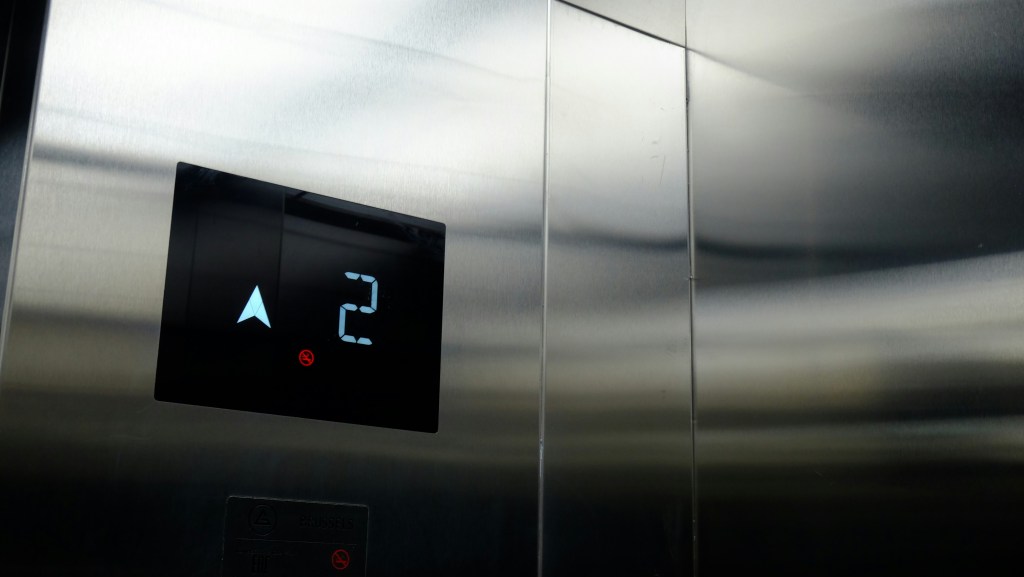
I’ve been thinking a lot about what it really takes to lead multilingual programs well. Not just the job description version, but the everyday work of moving between classrooms, decisions, and long-term planning. As I reflect on this, the image that keeps coming back to me is an elevator.
On some days, I’m in classrooms watching students negotiate meaning, switch between languages, and participate in routines that either lift their voices or unintentionally quiet them. That level of the work keeps me grounded. It reminds me that every system we build should help kids participate more fully.
But staying there too long turns me into a firefighter, solving one classroom issue at a time. I love leading in this floor, but firefighting isn’t effective, so the elevator moves up.
At the next level, patterns start to show. Curriculum choices, coaching cycles, PD expectations, pacing guides, assessments… this is where alignment makes or breaks a program. Here I ask different questions: Do our practices match our goals? Does PD connect to what teachers actually need? Do students get a coherent experience no matter which teacher they have?
This is important work, but if I stay here forever, things become abstract. So the elevator goes up again.
At the top floor, the view shifts. I’m thinking about staffing, long-term plans, budgets, and whether our program will still serve students well in five years from now. These decisions are slow, sometimes heavy, but they shape everything that happens below.
What I’ve learned as I reflect on this, is that leadership gets messy when you stay on only one floor. If you live at the top, your decisions don’t land. If you stay in classrooms, you stay reactive. If you stay in the middle, everything becomes a project instead of a purpose.
The real work is the movement. Up to see the big picture, down to understand the impact, back up to adjust, back down to check if it worked. That movement is what keeps a program healthy.
Oracy has made this even clearer to me. When students talk, teachers see more. When teachers see more, leaders understand more. And when leaders understand more, decisions get better. It all connects.
I’m still learning how to balance those floors. Some days I move too fast. Other days I stay longer than I should. But I keep coming back to the same idea: strong leadership isn’t about staying at the top. It’s about staying connected to every level of the system we’re responsible for.
That’s the kind of leader I’m working to be.


Leave a Reply