There’s a moment every spring, usually around spring break, when things slow down just enough to think. The work is still there, but there’s a small shift. As school and district leaders, we are no longer just reacting, we are reflecting. And that’s when it hits. We are living in two different school years at once. We are still fully present, giving feedback, wrapping up the current school year. At the same time, our mind is already moving ahead. We are connecting what we’re seeing right now with what needs to happen next. I think of it like this, landing the plane for current school year while beginning to build the runway for the next. And if I’m being honest, a lot of that thinking is grounded in one core idea that continues to shape my work: voice.
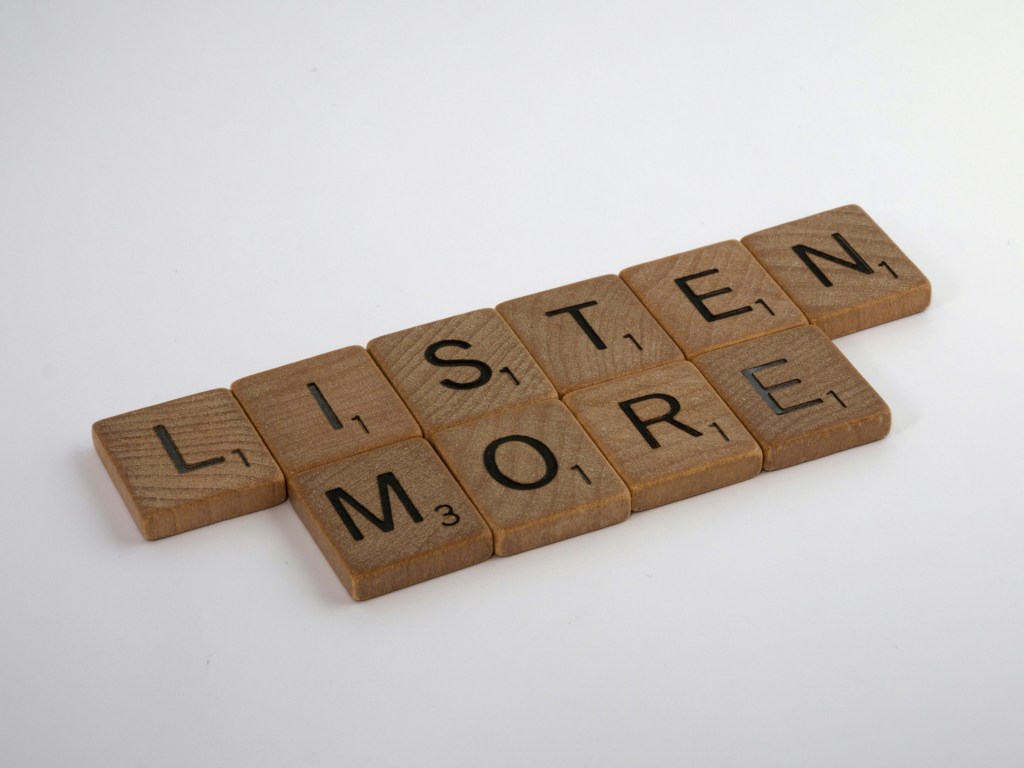
This is where leadership, oracy, and the work we do in Voices in Practice come together. Finishing well means more than checking off tasks. It means listening closely. Consider these questions: What are students telling us through their work? What are teachers naming in their conversations? What patterns are emerging when people have space to speak openly? We often say that voice is data, and this is the time of year when that really matters. Reflection becomes more powerful when it’s collective. When leaders create space for dialogue and shared sensemaking, clarity begins to form. When this happens, we start to see what’s working, what needs to shift, and what may need to stop altogether. It’s the foundation for what comes next.
But there’s another layer to this that matters just as much. As leaders, we also have to listen to our own voice. That internal reflection, the quiet thinking that happens when things slow down, is also part of the work. I often ask myself, what am I noticing that hasn’t been said yet? What feels aligned, and what doesn’t? In the same way we make space for others to speak, we have to make space to hear ourselves. Valuing our own voice means grounding our decisions in both what we hear from others and what we know through experience. That balance is what allows us to move forward with intention.
If you’ve read my earlier posts on the Elevator and Runway frameworks, this is the moment where both come to life. The reflection and conversations we’re having right now help us identify what “floor” the work belongs on. Are we dealing with a systems issue, a leadership move, or a classroom practice? Getting that right matters, because it shapes how we respond. And once that clarity is there, the Runway comes into play. This is where we begin to map out the path forward, building a timeline that is grounded in real needs. Without that clarity, we end up doing a lot of work that feels busy but disconnected. With it, we create alignment and direction.
From there, the work becomes more intentional. We begin to name priorities early. We communicate direction clearly. We align people before the year gets busy and everything speeds up again. Most challenges in organizations aren’t about effort. People are working hard. They care. The issue is often clarity. When we center voice, both the voices around us and our own, we create coherence. People know what they’re working toward and why it matters. That’s the heart of the work in Voices in Practice. It’s not just about planning better. It’s about leading in a way that makes space for voice to shape the path forward.
For me, this has been a really strong school year, both as a professor and as a director. I’ve learned a lot, grown alongside others, and had the opportunity to continue building around this idea of oracy as a driver for leadership and improvement. I’m genuinely excited about what’s ahead. Not because everything is figured out, but because the direction is becoming clearer through the voices around me and the reflection within. So I’ll leave you with this. As you think about the upcoming year, whose voice is shaping your plan? And are you making space to hear your own voice as well? Spring gives us a window to pause, to listen, and to begin shaping what comes next. The leaders who take advantage of that moment don’t just start the year. They shape it.


Leave a Reply